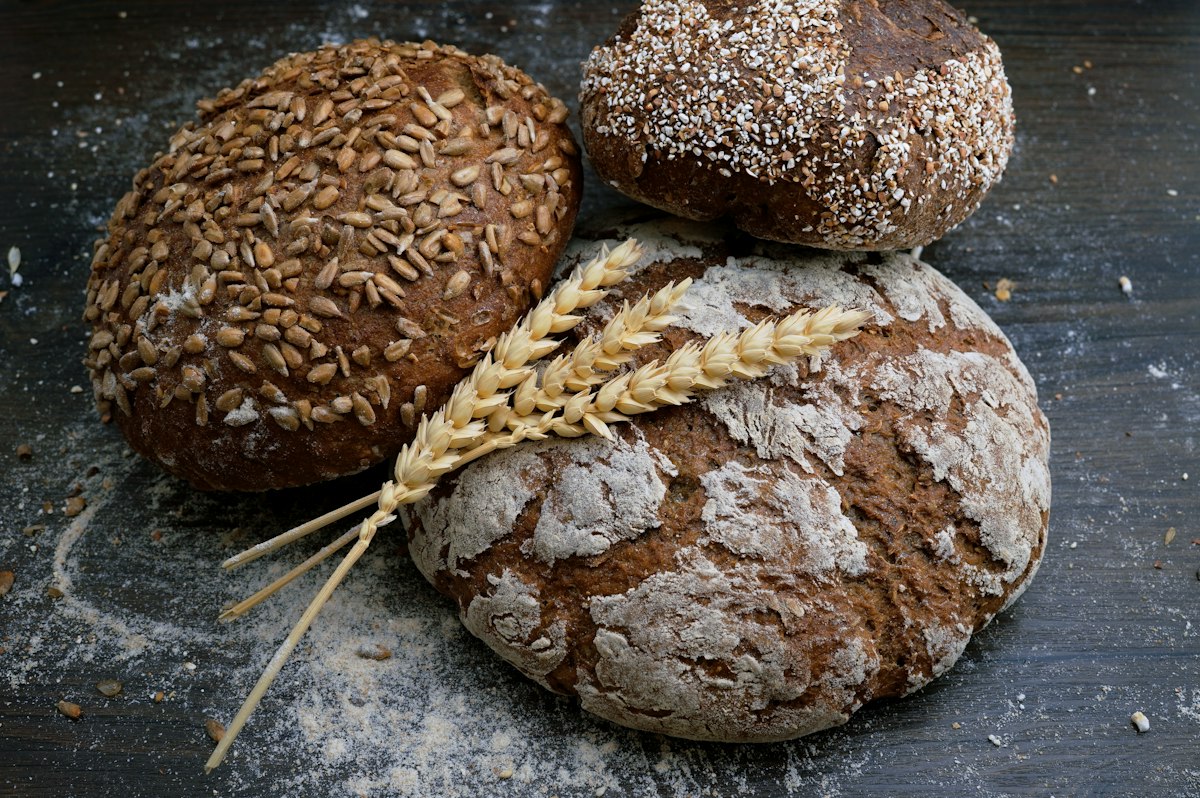
I used to be intimidated by bread baking — the kneading, the shaping, the fear of a dense brick. Then I tried the no-knead method and never looked back. Five minutes of mixing, an overnight rest, and a hot Dutch oven produces a loaf with a shatteringly crisp crust and a chewy, open crumb.
Why No-Knead Works
Traditional kneading develops gluten by stretching and aligning protein strands in flour. The no-knead method achieves the same result through time — a wet dough left to rest for 12-18 hours develops strong gluten on its own. The Dutch oven traps steam in the early baking stage, mimicking professional deck ovens used by bakeries.
The Method
- Mix: Combine 3 cups (390g) bread flour, 1/4 tsp instant yeast, 1 1/4 tsp salt, and 1 1/2 cups (345ml) cool water. Stir until shaggy. It will be sticky and rough — that is correct.
- Rest: Cover and leave at room temperature for 12-18 hours. The dough will bubble and spread.
- Shape: Turn onto a well-floured surface. Fold over itself a few times, shape into a rough ball. Place seam-side down on a floured tea towel, dust with flour, cover. Rest 2 more hours.
- Preheat: 30 minutes before baking, place your Dutch oven (lid on) in a 230°C / 450°F oven.
- Bake: Tip dough into the hot pot seam-side up. Cover and bake 30 minutes. Remove lid and bake 15 more minutes until deeply golden.
- Cool: Rest at least 1 hour before cutting — the crumb is still setting as it cools.
Variations to Try
Once you have mastered the base recipe, the variations are endless. Add rosemary and olives. Swap 50g of flour for whole wheat or rye. Press flaky sea salt and sliced garlic into the top just before baking.